Cold Process Soap
Time is an ingredient.
Time is an ingredient.
Cleansing needn't be rushed. It can be a craft: a bar that matures for weeks before it reaches your hands.
The ingredients
The ingredients
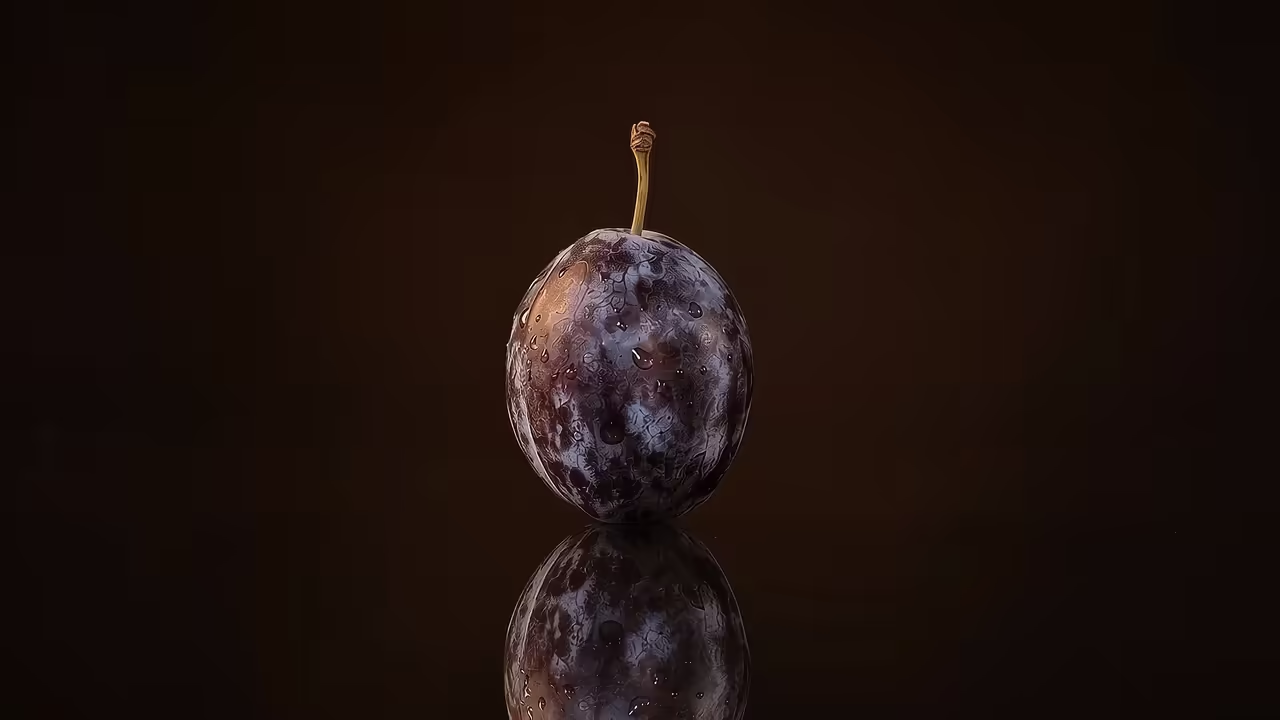
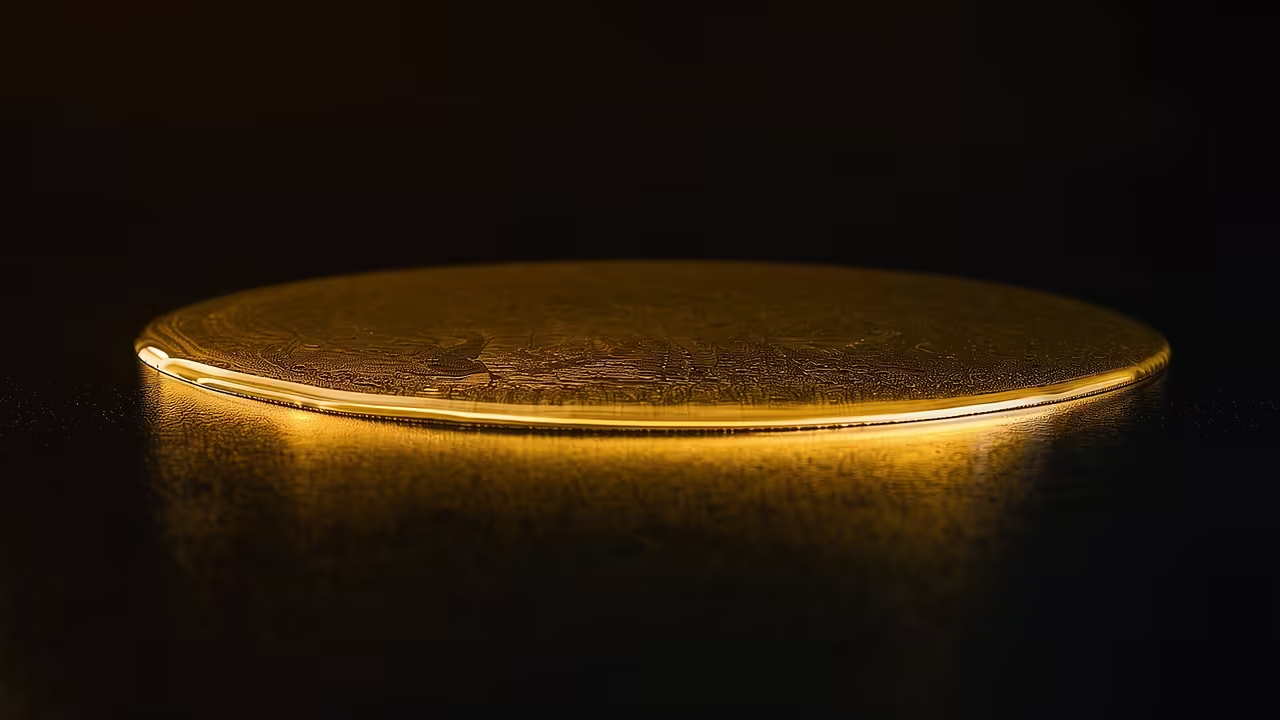
Plum kernel oil
- Added at the very end: we saved the best for last. Part of it stays on your skin after rinsing.
- Cold-pressed from plum kernels, rich in oleic acid and natural tocopherols. Together with the bar's other surplus oils, it leaves the skin smooth and soft, with no greasy film.
Olive oil
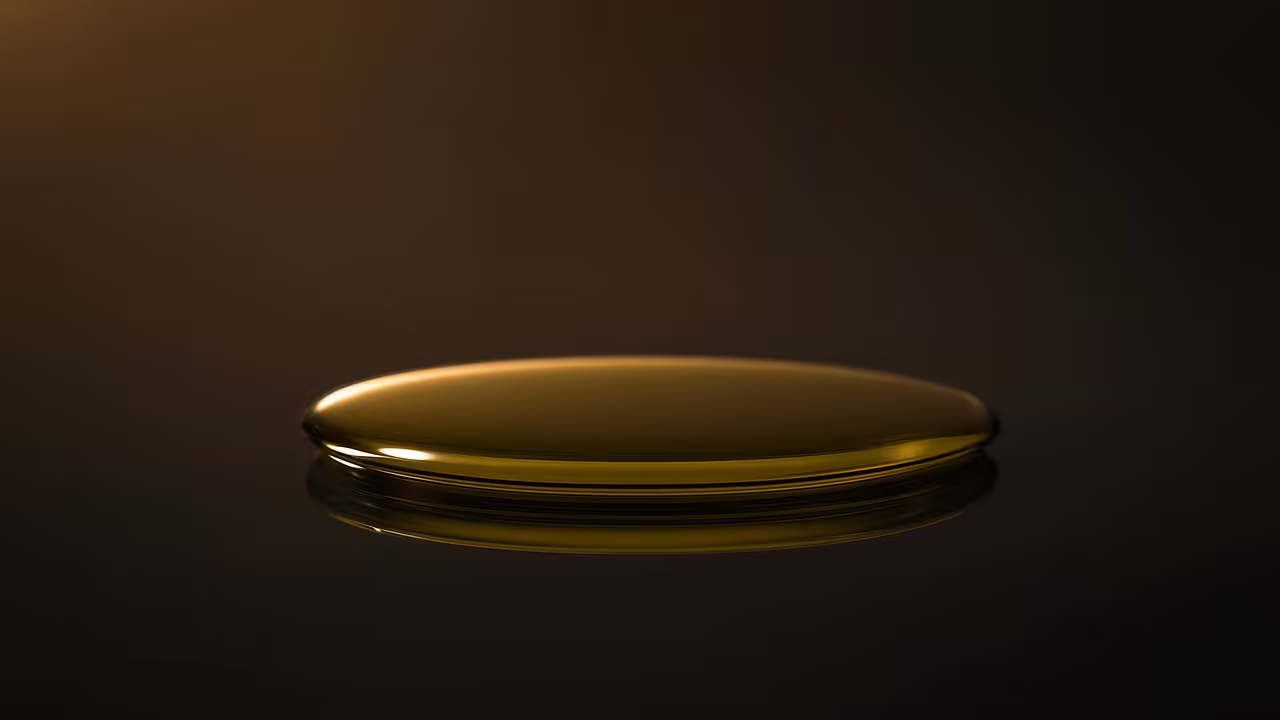
- The creaminess of the whole bar rests on it. Here, southern sun meets the plum.
- The lather is dense and velvety, soft as a bath in sunlight.
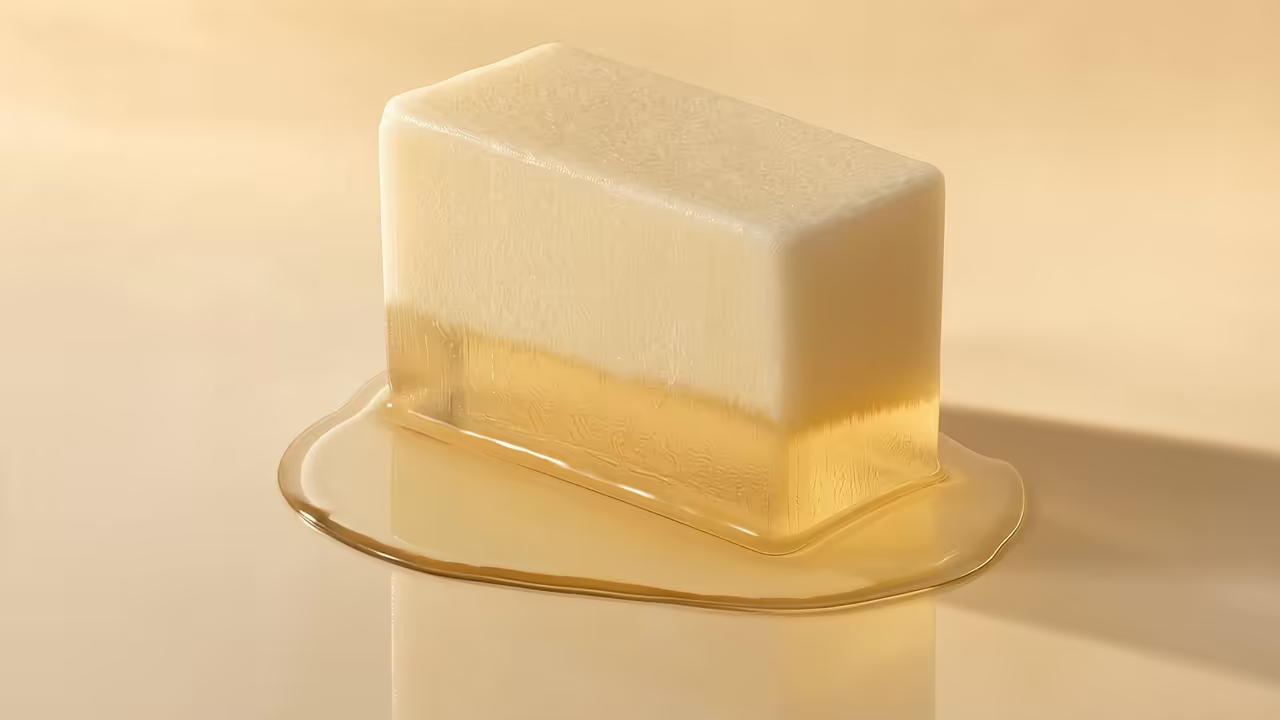
Coconut oil
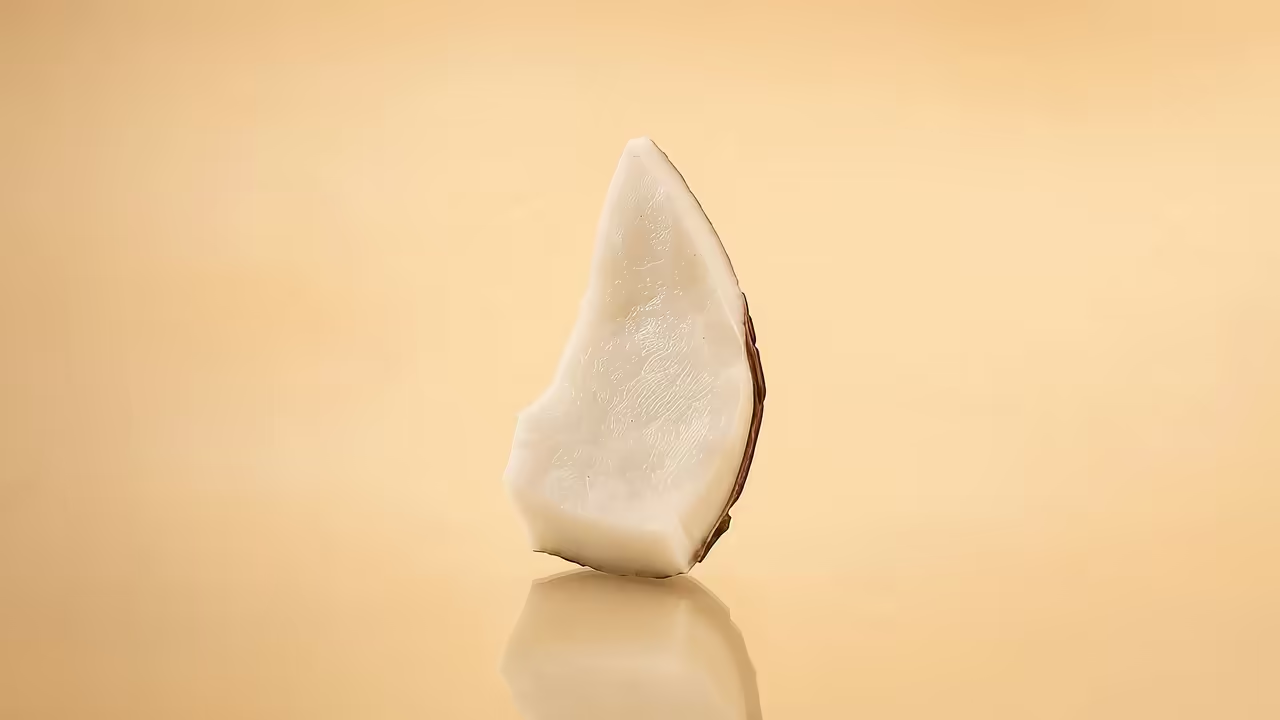
- It gives the bar its hardness and the lather its abundance.
- The first touch of water and your hands sink into white. Fresh, light, airy.
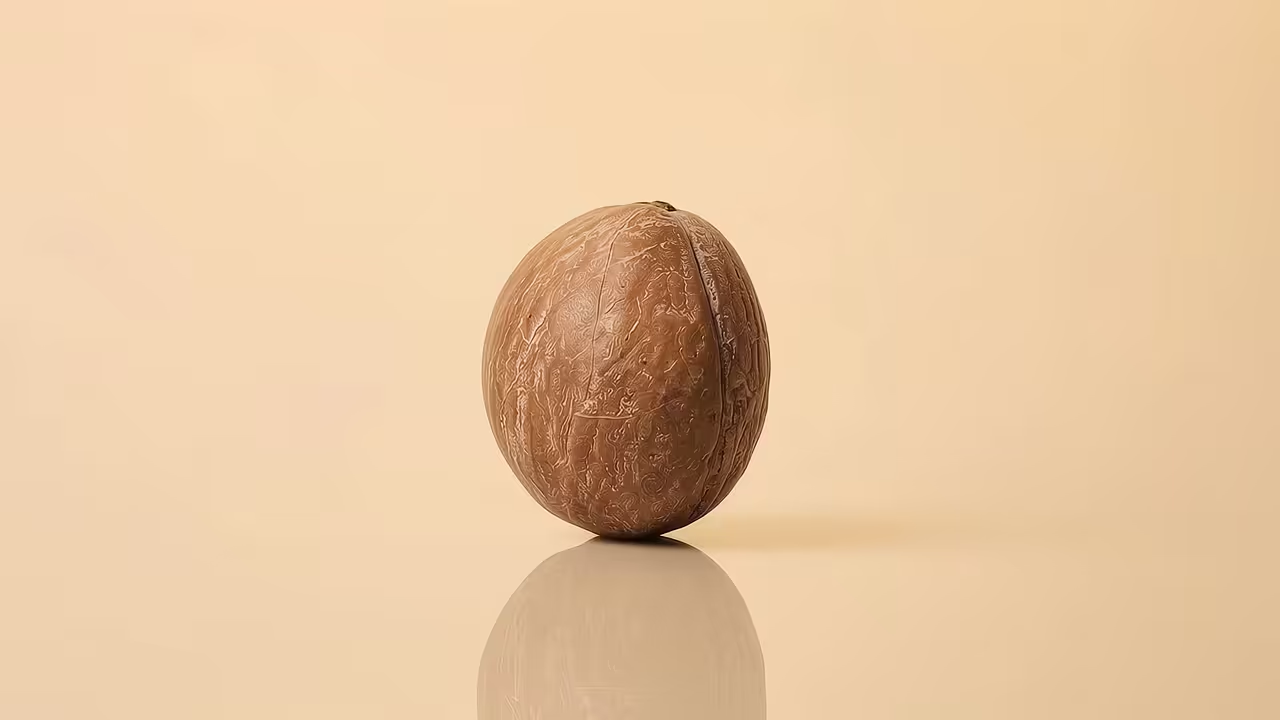
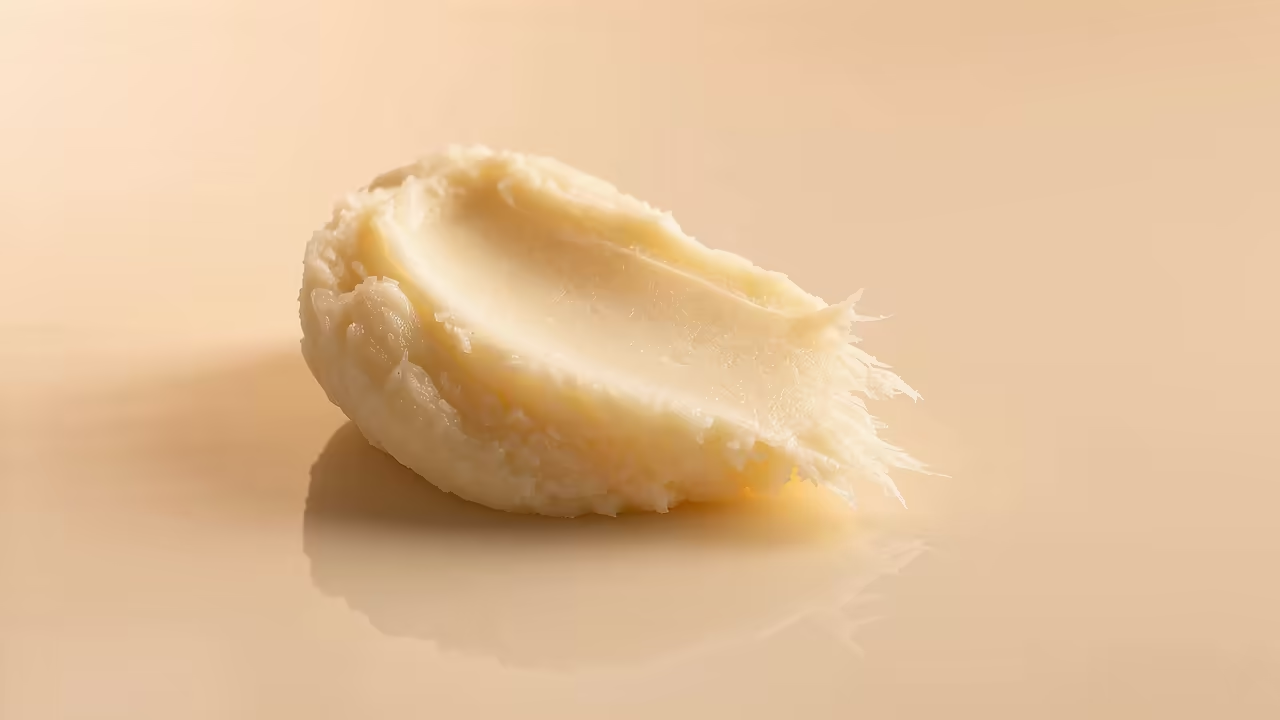
Shea butter
- Together with the bar's other surplus oils, it leaves the skin soft after rinsing.
- It melts under the fingers, soft as warm velvet. Part of it never turns to soap and stays in the bar, with its natural vitamin E.
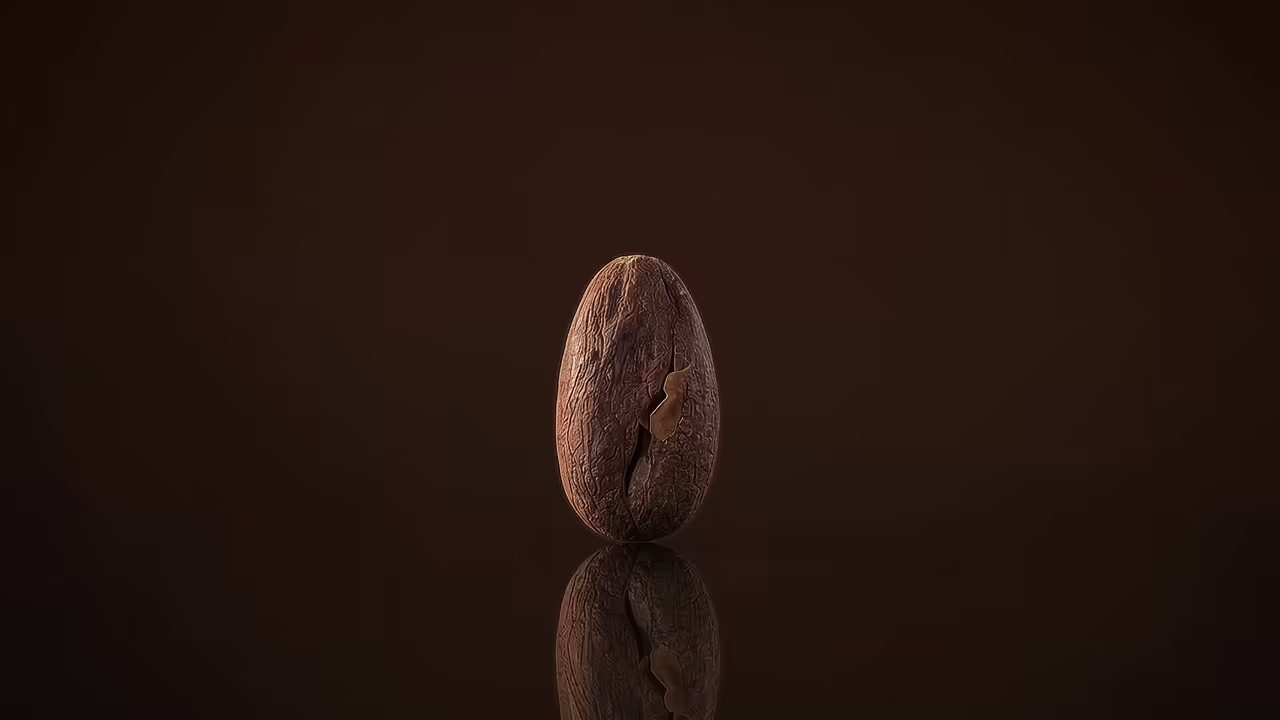
Cocoa butter
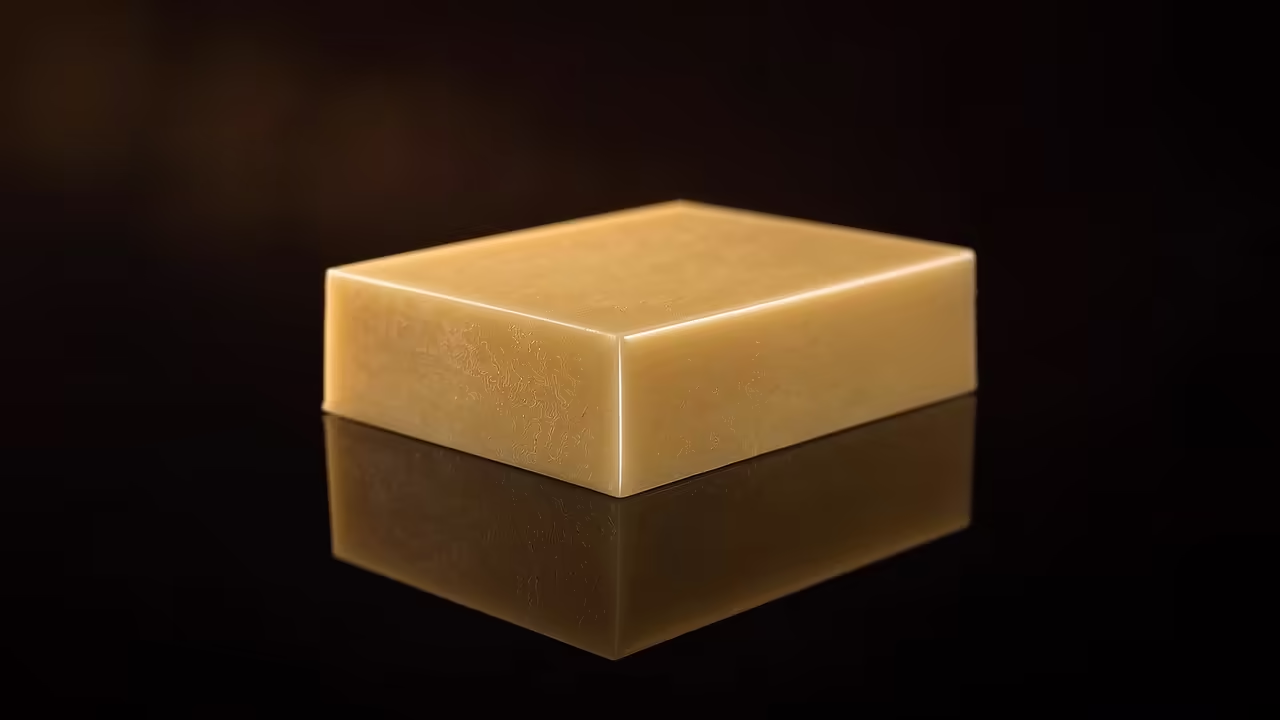
- It gives the bar hardness and sheen, and helps it last longer.
- The same butter chocolate is made from. Hard on the shelf, it softens in the hand like a square of chocolate in the warmth.
Castor oil
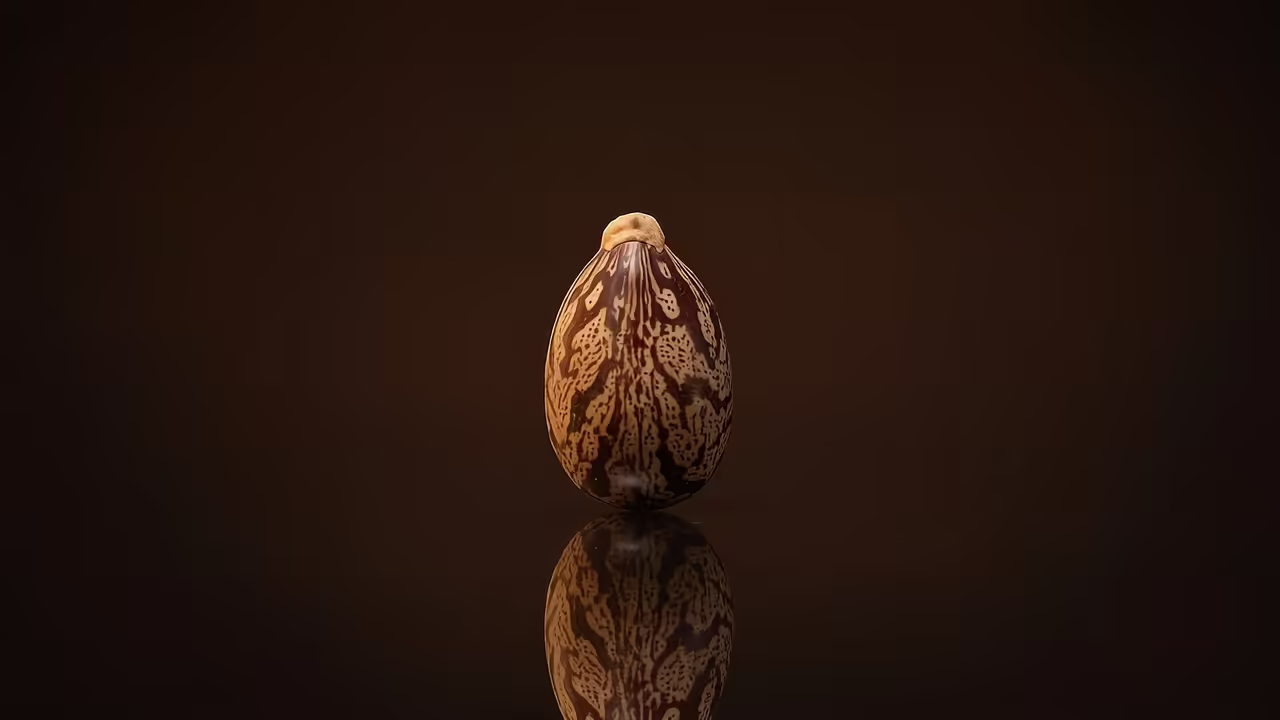
- No other oil in nature is quite like it: thick and velvety. In the bar it turns the lather to cream.
- Ancient Egypt already used it in beauty rituals. Today, together with the bar's other surplus oils, it leaves the skin smooth after rinsing.

Evening primrose oil
- Added at the end, together with the plum. After rinsing, part of it stays on the skin.
- From the seeds of a flower that opens only at dusk. It carries GLA, a rare omega-6 fatty acid found in only a few plant oils.
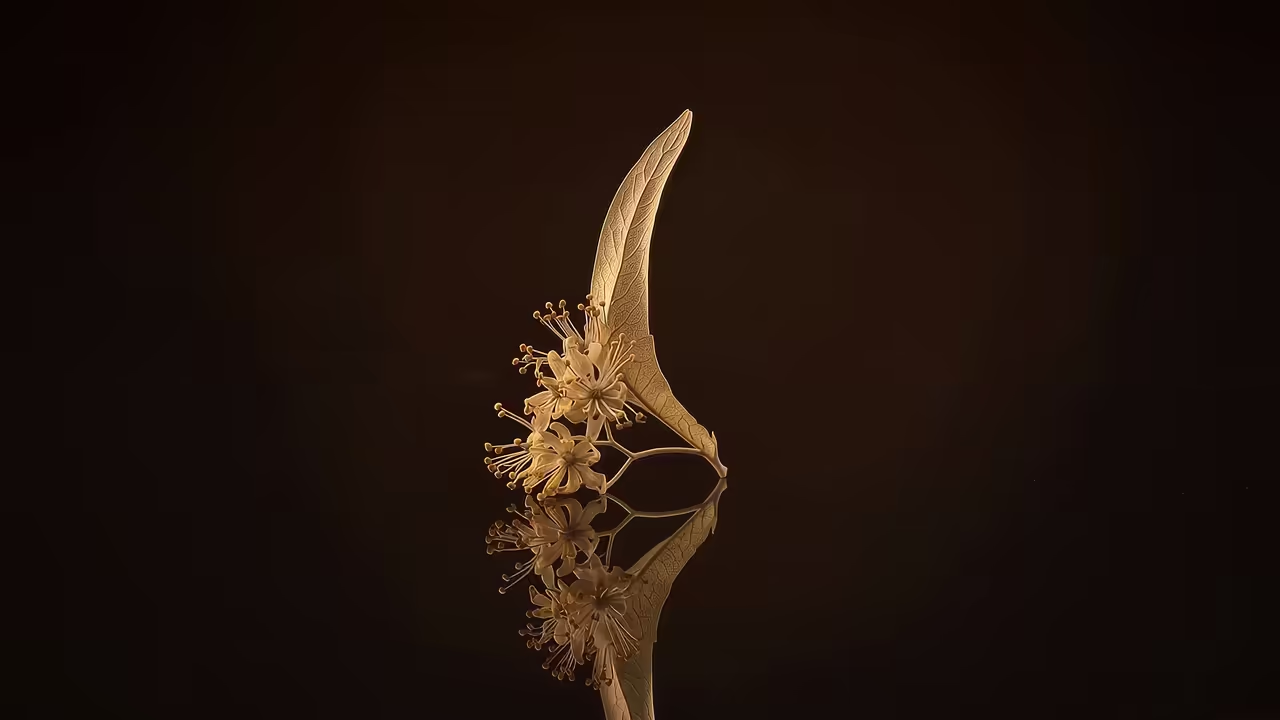
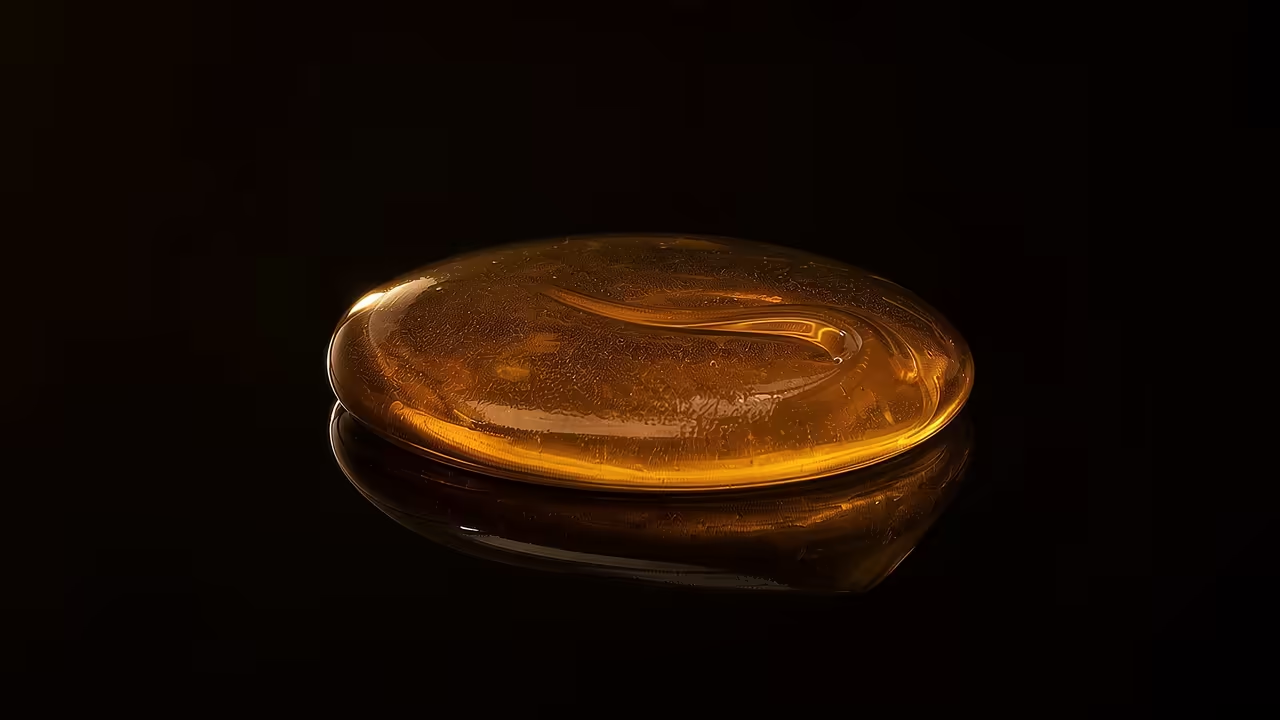
Linden honey
- From a Polish apiary, gathered from linden trees in bloom. It gives the bar a warm, golden colour.
- Honey on the skin is one of the oldest beauty rituals. In this bar it makes the lather soft and full.
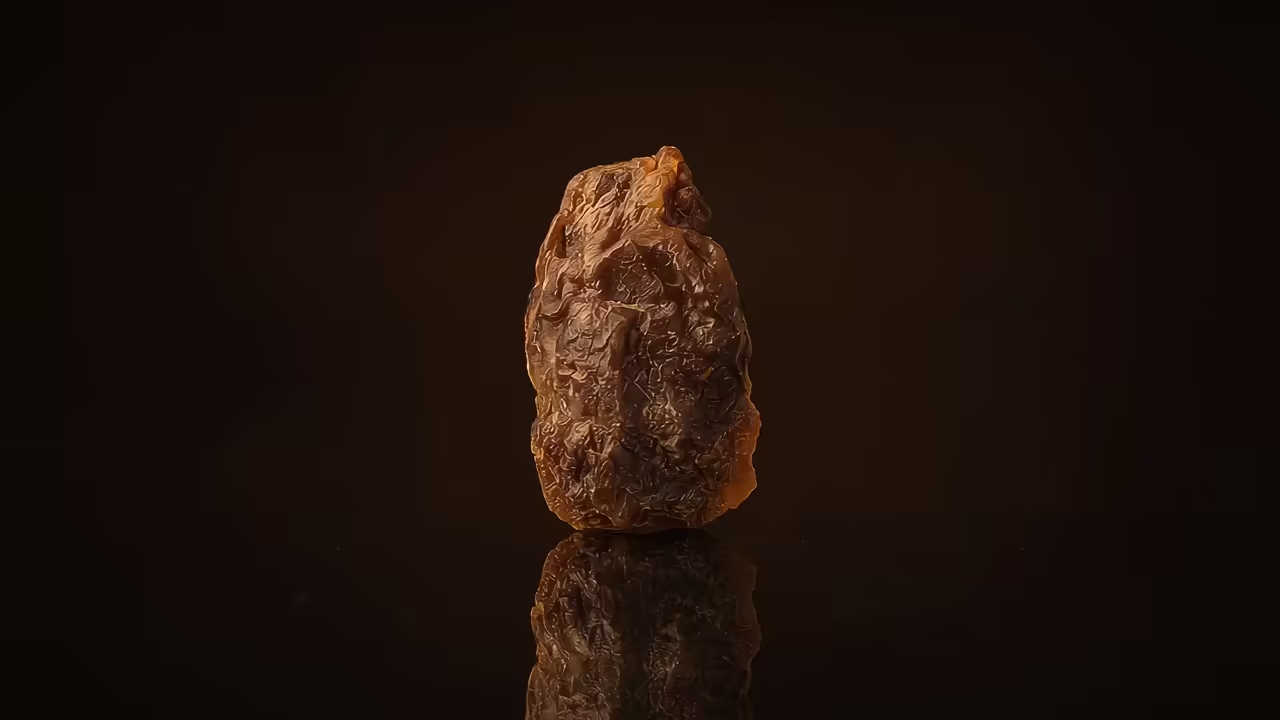
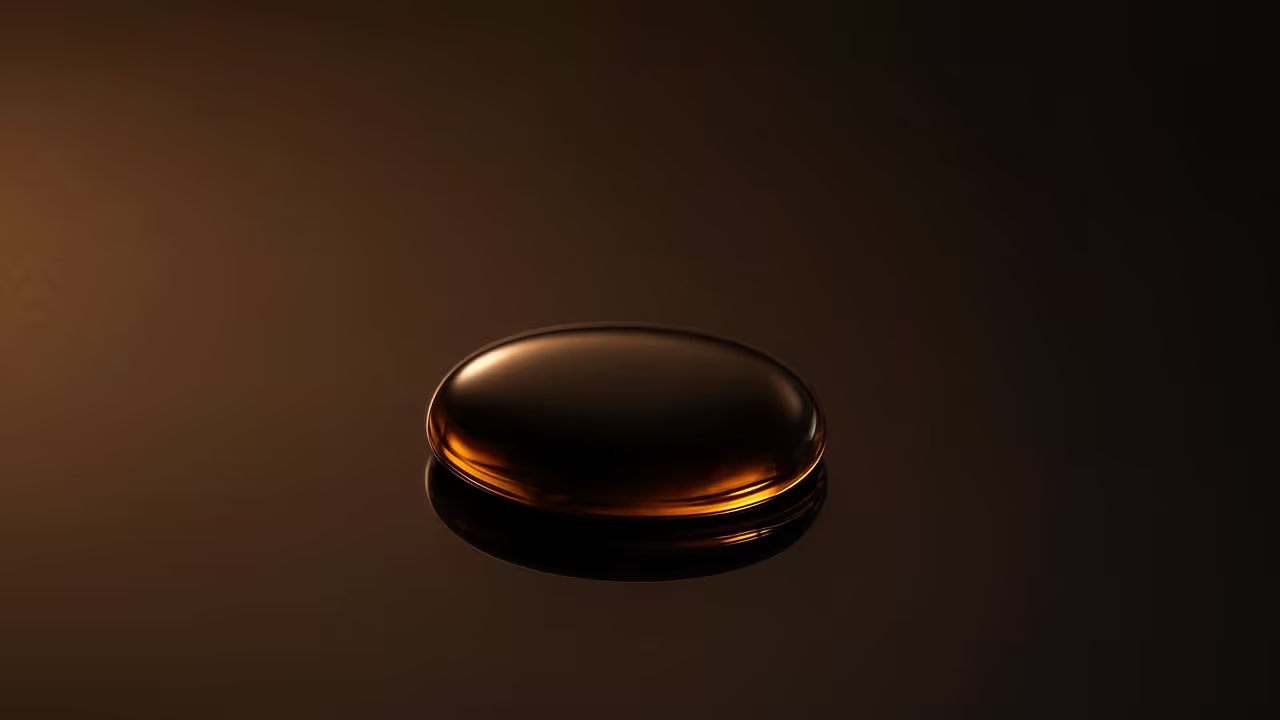
Propolis
- The apiary's rarest treasure, scarcer than honey.
- Dark as amber, with the scent of tree resin. Beekeepers have prized it for generations.
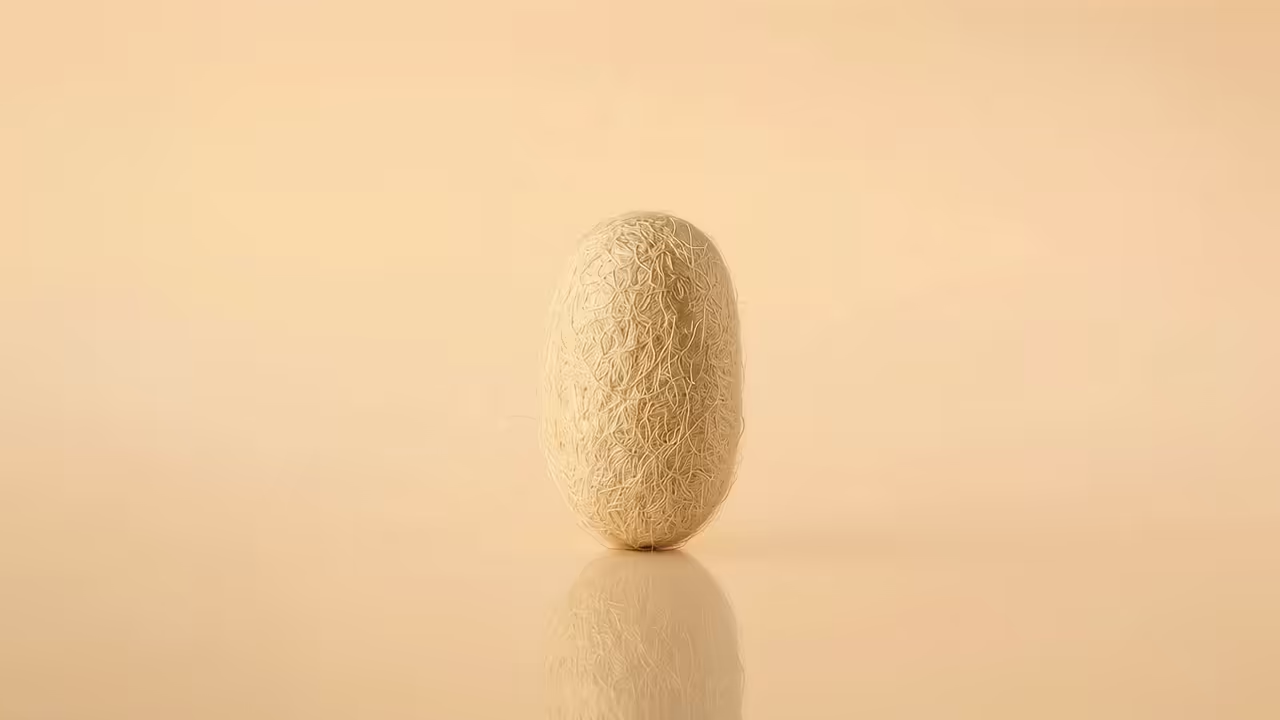
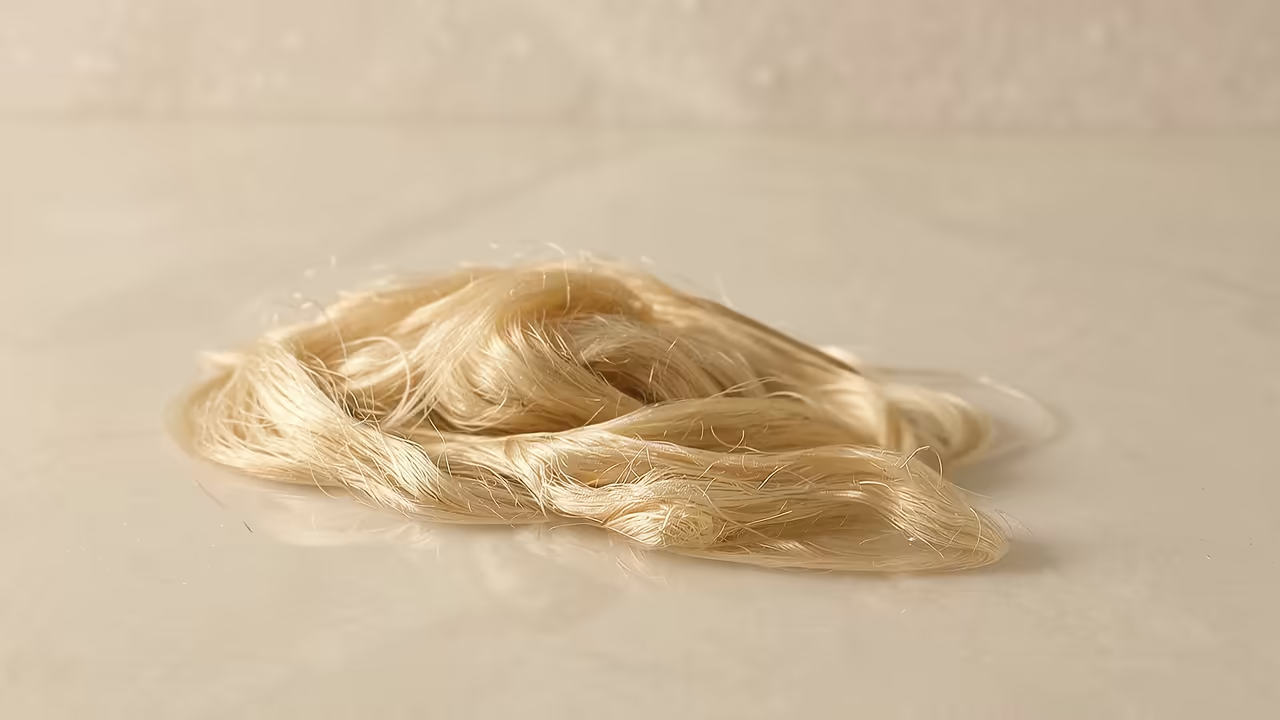
Tussah silk
- Silk was once traded as a currency. Here it dissolves into a lather that glides over the skin like fine cloth.
- Wild silk from the cocoons of free-roaming moths. In the lather it comes back as softness and sheen.
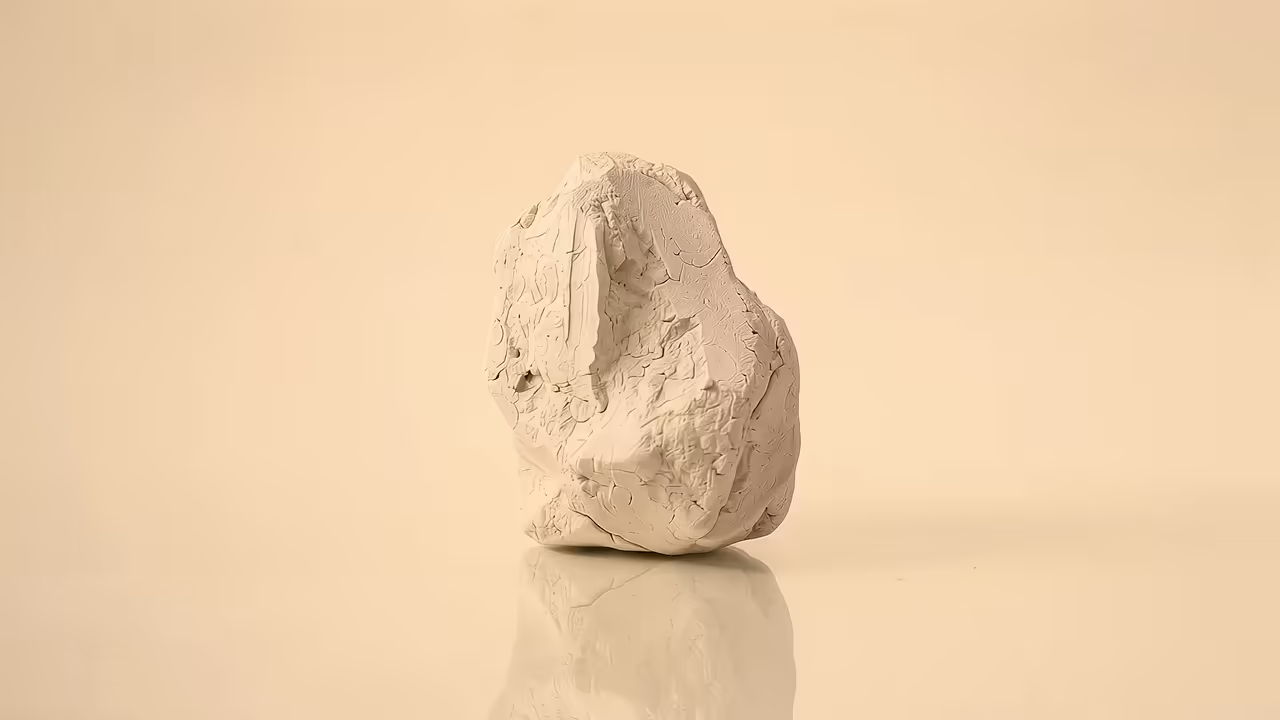
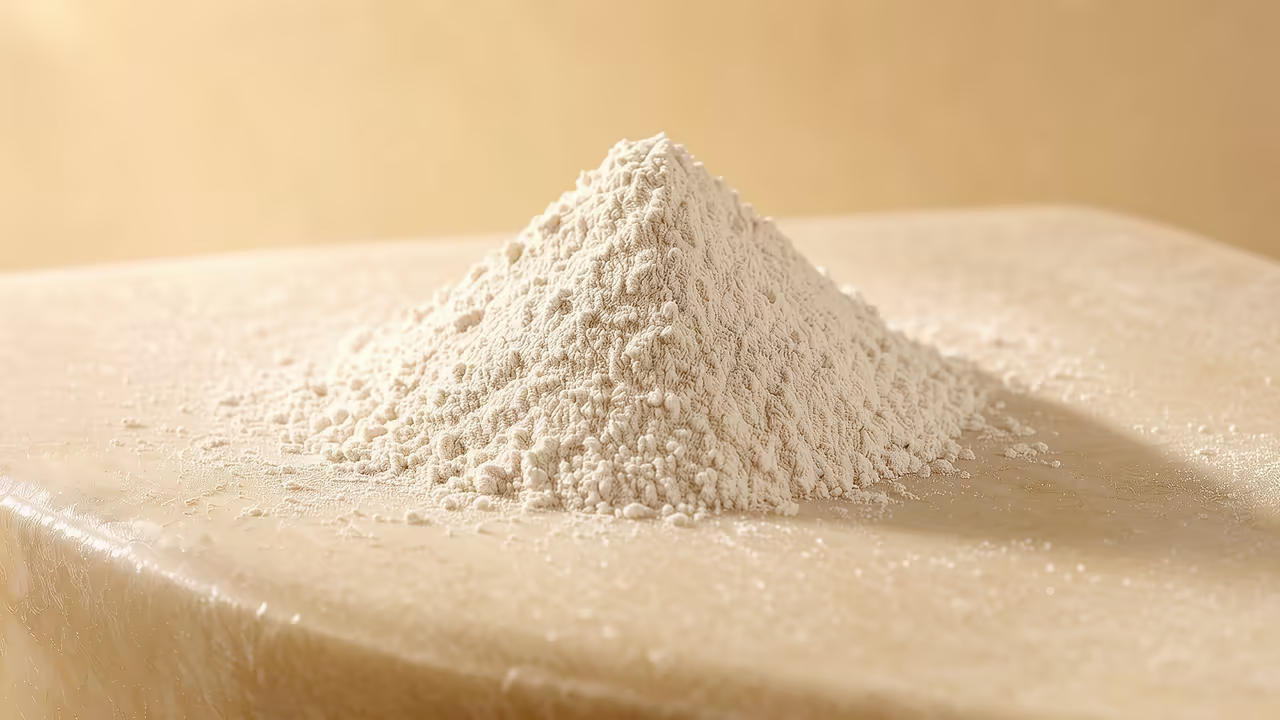
Kaolin clay
- White kaolin, the gentlest of clays. In the bar, it brings a velvety touch.
- Soft as powder. It lays a fine veil between bar and skin, so the soap glides without friction.
The evidence
A truth you can touch.
Soap is with you for only a moment. We have made it a beautiful one.
-
At least six weeks in stillness and shade before the bar touches your skin.
-
Some of the oils never become soap. They stay with you after rinsing.
-
Plum kernels, linden honey from a Polish apiary, and propolis.
-
The scent stays in the orchard. You will know this bar by touch.
Take your place
in the first batch.
The first batch will be small.
Show all ingredients
- 1. Sodium Olivate saponified olive oil, for creaminess.
- 2. Sodium Cocoate saponified coconut oil, for hardness and lather.
- 3. Aqua water.
- 4. Sodium Shea Butterate saponified shea butter, for softness after rinsing.
- 5. Sodium Cocoa Butterate saponified cocoa butter, for structure and sheen.
- 6. Sodium Prunus Domesticate saponified plum kernel oil, the line's signature.
- 7. Sodium Castorate saponified castor oil, for a stable lather.
- 8. Sodium Evening Primrosate saponified evening primrose oil.
- 9. Glycerin glycerin, a natural by-product of saponification.
- 10. Mel linden honey from a Polish apiary, included for its origin.
- 11. Sodium Lactate sodium lactate, for a harder bar.
- 12. Kaolin kaolin clay, for smoothness.
- 13. Allantoin allantoin.
- 14. Propolis Extract propolis extract.
- 15. Sodium Citrate sodium citrate, a chelator that also hardens the bar.
- 16. Sodium Gluconate sodium gluconate, a chelator.
- 17. Serica tussah silk, which shapes the lather.
Saponification changes the composition: the oils become soap, so the INCI names what they are once the process is complete. We deliberately use more oil than the lye can turn into soap, and that surplus stays on the skin. The marzipan note does not survive saponification, so we don't promise it in the finished bar.